
By Ayur wakeup | November 15, 2025
Psoriasis is a chronic skin disease that is a challenge to the body as well as the mind. Whereas modern medicine (allopathy) is concerned with alleviating the symptoms, Ayurveda is interested in the cure of the cause via balance and detoxification. However, when both have proven themselves, which one is really superior, Ayurveda or allopathy? Let us discuss both parties to know the most wholesome way of healing.
Table Of Contents:
- Is Psoriasis Just a Skin Problem or Something Deeper?
- Understanding Psoriasis in Ayurveda
- Psoriasis Treatment in Allopathy
- Ayurveda vs. Allopathy: A Detailed Comparison
- Ayurvedic Remedies and Lifestyle for Psoriasis
- When to Choose Ayurveda for Psoriasis
- Integrative Approach: Combining Ayurveda & Allopathy
- Why Choose Ayur Wakeup for Ayurvedic Psoriasis Care
- FAQ
Is Psoriasis Just a Skin Problem or Something Deeper?
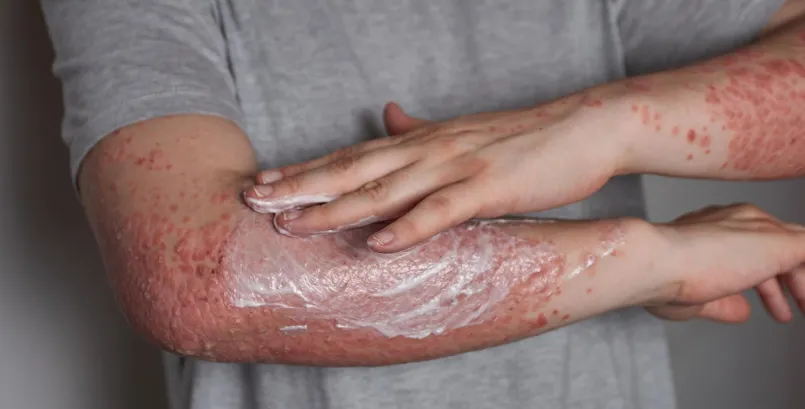
Psoriasis is a long-term autoimmune disease of the skin, which increases the rate of skin cell life cycles, resulting in scaling, redness, and inflammation.
It is not contagious, though it may lead to severe discomfort and emotional pain.
Common symptoms include:
- Scaly patches on the elbows, knees, head, or lower back that are red.
- Sensations of itch and burning.
- Cracked or bleeding skin
- Flaky, silvery skin buildup
Triggers may include:
- Stress
- Weather changes
- Infections
- Certain medications
- Unhealthy diet
Understanding Psoriasis in Ayurveda
Ayurveda calls psoriasis “kitibha Kushta,” or a disease of an imbalance between the Vata and Kapha doshas and impurities (Ama) in the blood.
What caused it: poison buildup, dosha off balance.
Important parts that are affected:
- skin (Twak),
- blood (Rakta),
- and body power (Ojas).
Main point: freshen and clean the body inside.
Ayurvedic rules:
- Cleanse blood (Rakta Shodhana)
- Bring dosha back to balance
- Make stronger and reduce stress.
Often use Ayurvedic cures:
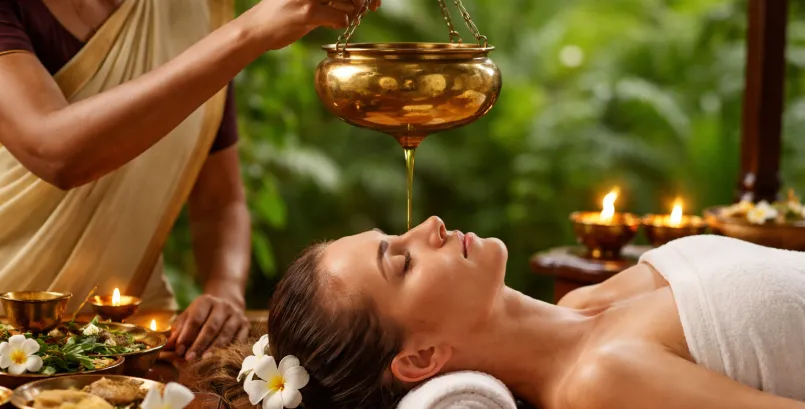
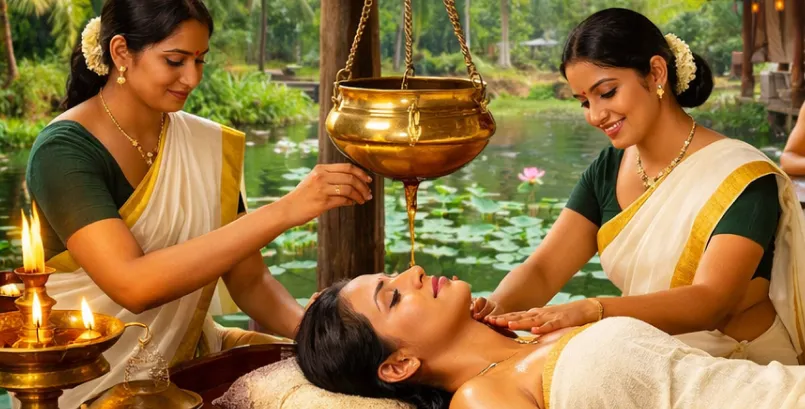
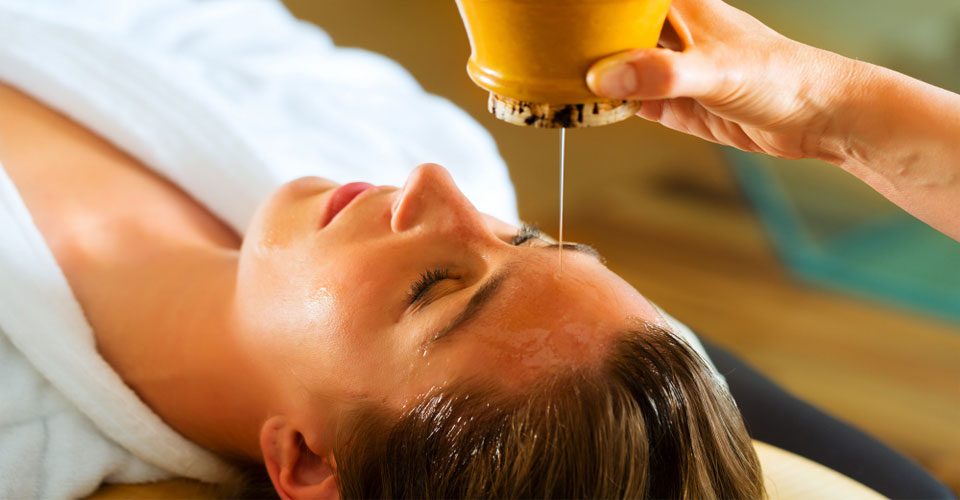
- Panchakarma cleanings: Virechana (purgative), Raktamokshana (bleeding), and Takradhara.
- Herb mixes: Neem, Turmeric, Manjistha, Guduchi, and Aloe Vera.
- Dietary control—Spicy, fermented, and junk foods should be avoided.
- Yoga and meditation—Get less stressed and better skin
Psoriasis Treatment in Allopathy
Allopathy does not cure but mainly controls the ailment. It is aimed at decreasing the inflammation and slowing down the process of producing skin cells.
Standard allopathic interventions include:
- Topical Creams: steroid-based creams and vitamin D analogs.
- Lights: UV light helps.
- Things to take by mouth: methotrexate, cyclosporine, or retinoids.
- Syringes: special immune drugs that work inside the body.
Drawbacks of allopathy:
- Makes you feel better for now
- Medicines can have side effects later on: long-term drug use can cause issues.
- Treats only the outside, not the inside of the body.
Ayurveda vs. Allopathy: A Detailed Comparison
| Aspect | Ayurveda | Allopathy |
|---|---|---|
| Approach | Root-cause, holistic healing | Symptom management |
| Focus | Detoxification, immunity, and dosha balance | Immune suppression, inflammation control |
| Treatment Type | Herbal medicines, Panchakarma, and diet | Steroids, biologics, UV therapy |
| Side Effects | Minimal (natural ingredients) | Possible (liver, kidney, immune system) |
| Sustainability | Long-term, preventive | Short-term, recurring |
| Outcome | Gradual but lasting relief | Quick but temporary relief |
Summary:
Whereas allopathy has a quick healing mechanism, Ayurveda has a long-term healing mechanism since it treats the root cause of psoriasis.
Ayurvedic Remedies and Lifestyle for Psoriasis
Ayurveda suggests the usage of an aggregate of herbal, nutritional, and lifestyle remedies so that you can control psoriasis.
Herbal Remedies:
Neem & Turmeric:
Clean blood and reduce irritation.
Manjistha & Guduchi:
Cleanse and enhance your skin.
Aloe Vera/Coconut Oil
Calm down the dryness and itching.
Diet & Lifestyle Tips:
- Consume well-cooked, hot, light meals.
- Do not consume red meat, dairy products, alcohol, or fermented food.
- Take herbal teas (Triphala, Tulsi) on a daily basis.
- Practice yoga and meditation.
- Naturally moisturize the skin.
When to Choose Ayurveda for Psoriasis
Choose Ayurveda if you want:
- Side effects: no side effects and long-term.
- Holistic and natural therapy.
- Internal causes of stress and toxins remove themselves.
- A change of lifestyle to healthier living.
Choose allopathy if:
- You require urgent treatment of the acute flare-ups.
- You are in an acute stage and require short-term management.
Best practice: undergo both together under medical guidance to achieve an equal outcome.
Integrative Approach—Ayurveda and Allopathy Together
A synthesizing approach is able to provide the best of both worlds.
- Detox and heal with Ayurvedic herbs and also with Panchakarma.
- Temporarily apply allopathic topical creams to reduce the symptoms.
- Follow-ups help in maintaining a balance and not dependency.
This is a method that is gaining acceptance among dermatologists and Ayurvedics as well.
Real-life Examples
A 42-year-old woman used combined Ayurvedic oil therapy and mild topical treatment. Her psoriasis stayed under control for over a year with no side effects.
Why Choose Ayur Wakeup for Ayurvedic Psoriasis Care
In Ayur Wakeup, the psoriasis treatment is not just a treatment process but a healing process.
The center offers:
- Individualized Panchakarma programs.
- Expert Ayurvedic doctors
- Herbal prescriptions and nutrition advice.
- A relaxing, restorative atmosphere.
Ayur Wakeup will assist you in finding your balance, whether you are new to Ayurveda or you have tried Ayurveda post-allopathy.
FAQ
Is Ayurveda an effective cure for psoriasis?
Ayurveda is focused on curing the disease and may provide lasting remission through an appropriate lifestyle and follow-up.
What are the Ayurvedic remedies for psoriasis? What is the duration of the treatment?
It ranges between 1 and 6 months, depending on the frame type, severity, and following the food plan, and recurring.
Is it viable to use allopathic and Ayurvedic drugs simultaneously?
Yes, but with strict supervision of the two practitioners to prevent drug interactions.
Is Panchakarma a solution for psoriasis?
Yes. Panchakarma is used for cleaning the system, blood purification, and balancing doshas, which minimizes flare-ups.
What are the side effects of Ayurvedic psoriasis treatment?
Naturally not, because natural and herbal therapies do not put a strain on the body.