
By Dr. Arun Radhesh R | February 1, 2023
Table Of Contents
- Rheumatoid Arthritis: Definition, Causes And Symptoms
- Ayurveda Treatment For Rheumatoid Arthritis
- Ayurvedic External Therapies for Rheumatoid Arthritis
- Ayurvedic Stages of Treatment for Rheumatoid Arthritis
- Conclusion
Rheumatoid Arthritis is a chronic autoimmune disorder affecting millions of people worldwide. Unfortunately, there is no cure for this condition. While conventional medicine offers a range of treatments, from medications to surgery, many people with this condition seek alternative approaches to manage their symptoms and improve their quality of life. This is where Ayurveda plays a role.
In recent days, people have become more aware of the potential benefits, and many have begun researching Ayurvedic treatments for various health concerns. Rheumatoid arthritis is one such case. In this blog, we will look at how Ayurveda treats Rheumatoid arthritis and provides long-term healing.
Rheumatoid Arthritis: Definition, Causes And Symptoms
Rheumatoid Arthritis (RA) is an autoimmune condition that leads to joint inflammation, discomfort, and swelling. This can make ordinary tasks like brushing your teeth or holding a book incredibly difficult. RA arises when the body’s immune system misidentifies its own cells as foreign intruders and attacks them. Although the cause of this condition is unknown; however, genetic and environmental factors are believed to have a part.
Symptoms of RA include joint pains and stiffness as well as fatigue, fever and weight loss in some cases. It can get worse if left unchecked and without treatment. So getting early professional care is essential for treating the condition.
Here listed some common symptoms;
- Joint Pain and Swelling: The most prominent symptom of RA is persistent pain and swelling in the affected joints. This pain typically worsens with activity and improves with rest.
- Morning Stiffness: People with RA often experience stiffness in the joints that lasts for at least 30 minutes or longer after waking up. In severe cases, this stiffness can persist for hours.
- Fatigue: Many individuals with RA experience fatigue, which is a feeling of extreme tiredness or lack of energy that does not improve with rest.
- Redness and Warmth: The affected joints may appear red and feel warm to the touch, a result of inflammation.
- Decreased Range of Motion: As inflammation in the joints progresses, the range of motion in the affected joints may decrease, making it difficult to move them fully.
- Symmetrical Joint Involvement: RA typically affects joints on both sides of the body, such as both wrists, knees, and hands. This distinguishes it from other forms of arthritis that may affect one joint at a time.
- Rheumatoid Nodules: Some people with RA may develop firm lumps under the skin, known as rheumatoid nodules. These are typically found near the elbows, hands, or other pressure points.
- Fever and Loss of Appetite: In some cases, mild fever and loss of appetite will be present with RA due to the body’s inflammatory response.
Ayurveda Treatment For Rheumatoid Arthritis
Ayurveda is a holistic medical system that has been practised in India for over 5,000 years. Rather than only treating the symptoms, it seeks to restore balance to the body, mind and soul by addressing the condition’s underlying cause. This is performed by balancing the three Doshas, (Vata, Pitta, and Kapha).
It is believed that the imbalance of Vata Dosha is the root cause of RA, which is also known as “Amavata” in Ayurveda. The Ayurveda treatment for RA mainly focuses on Detoxification procedures, Diet modification, Lifestyle changes, Yoga, Massage, Meditation and Herbal medicine.
- Detoxification Procedures
One of the main Detoxification procedures, Panchakarma, is an ancient Ayurvedic treatment technique that is used to cleanse and detoxify the body. This method relieves inflammation and discomfort while improving joint mobility in individuals with rheumatoid arthritis (RA). Vamana (therapeutically induced vomiting), Virechana (laxative therapy), Vasti (colon therapy), Nasya (nasal oil therapy), and Raktamokshana (blood purification therapy) are the specific therapies performed for detoxification.It is important to note, however, that Panchakarma should be administered under the guidance of a licensed practitioner. Before beginning any supplementary treatment, it is essential to discuss it with an Ayurvedic doctor to ensure that it is suitable for one’s specific treatment.
- Dietary Changes
Diet plays a crucial role in Ayurvedic treatment, and a nutritious and balanced food regimen tailored to the individual’s dosha is essential. For example, those with a Vata imbalance that causes RA should avoid eating raw vegetables and minimise their dairy consumption. A diet rich in anti-inflammatory foods like turmeric, ginger, and omega-3 fatty acids can help restore balance.Cooked grains, such as rice, wheat, and ragi, as well as cooked vegetables, such as carrots, broccoli and beetroot, should also be included. In moderation, mung beans, soybeans, lentils, and peas should also be consumed. Most importantly, people with RA should avoid processed foods and refined sugars as much as possible, as these can trigger inflammatory responses in the body.
- Yoga, Exercise And Meditation
Yoga, exercise, and meditation are all helpful for those with rheumatoid arthritis. Yoga can help reduce pain while improving joint mobility, strength, and quality of life. Although it may seem counterintuitive for individuals in pain, light and moderate exercise can help decrease inflammation and improve the range of motion. It is also helpful for weight management since extra weight can strain the joints.Furthermore, relaxation techniques such as deep breathing assist in lowering stress levels. However, excessive types of exercise should be avoided. Before beginning a yoga, exercise, or meditation practice, it is also essential to see a professional to customize the poses and exercises to specific requirements.
- Oil Massage
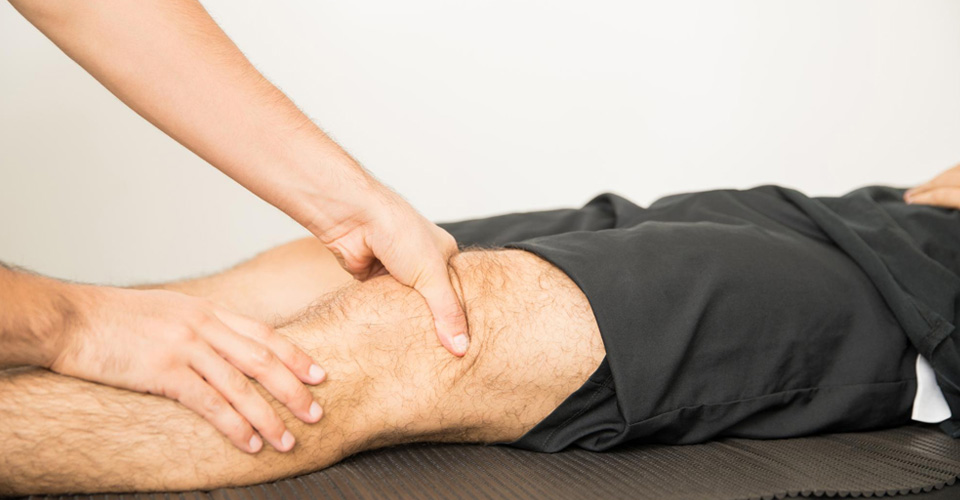
To reduce pain and increase circulation, Ayurvedic practitioners recommend massaging the affected joints with herbal oils. Oil massage is a common rheumatoid arthritis therapy. During an oil massage, the therapist will softly and delicately massage the oil into the skin to ease the pain and improve mobility. Oil massage increases the quality of life for persons with rheumatoid arthritis.
- Herbal Supplements
Ayurvedic practitioners regularly utilise herbs and supplements to treat rheumatoid arthritis (RA). Several herbal medicines and formulas are used to treat the condition’s symptoms. Some of the most often used herbs for reducing joint inflammation, pain, and stiffness include ginger, turmeric, boswellia, castor oil, and ashwagandha.
Ayurvedic External Therapies for Rheumatoid Arthritis
These treatments are used to help with the pain, swelling, and stiffness of Rheumatoid Arthritis.
Choorna Kizhi
This treatment uses a warm massage with herbal powders to make the body sweat. A therapist gently rubs a bundle of natural herbs over the affected areas. This helps to reduce joint swelling and pain by removing toxins through sweat.
Abhyangam
In this therapy, a warm, gentle massage is given to the body using special herbal oils. The herbs in the oil are chosen to help with arthritis, and the massage helps these healing herbs soak deep into the joints to reduce pain and stiffness.
Njavarakizhi
This is a nourishing massage using bundles of a special type of rice called Njavara rice. The rice is cooked in medicated milk and then massaged into the body. This therapy helps to strengthen and nourish the joints and muscles, which is important for managing Rheumatoid Arthritis.
Ayurvedic Stages of Treatment for Rheumatoid Arthritis
Stage 1: Removing Toxins (Ama)
The first step removes Ama from the body that caused joint swelling. This improves your digestive fire (Agni) so the body stops creating new Ama.
- Diet: A diet of light warm and easily digestible foods is recommended. Fasting or eating very little may be suggested.
- Medicines: Herbal medicines that help with digestion and remove Ama are used.
- Therapies: Gentle therapies that do not worsen pain are chosen at this stage.
Stage 2: Calming Vata and Strengthening Agni
After Ama is gone the focus goes to bringing doshas back into balance. This is especially for Vata dosha.
- Diet: The diet is changed to nourishing foods that do not create new Ama.
- Medicines: Herbal medicines that calm Vata and heal the joints are used.
- Therapies: Warming and nourishing external treatments like Abhyanga (oil massage) and Swedana (sweat therapies) can be started carefully.
Stage 3: Long-Term Wellness
The final stage keeps doshas in balance and makes the body strong. This helps stop the disease from coming back.
- Diet & Lifestyle: Following a healthy diet and daily routine is key.
- Medicines: Herbal tonics that strengthen the joints bones and muscles are used.
- Yoga: Yoga and light exercise are recommended to maintain good joint movement and flexibility.
Conclusion
Ayurveda has a long history of treating rheumatoid arthritis, providing a powerful and holistic approach to treating the condition. Making lifestyle and nutritional changes can help individuals control their Rheumatoid arthritis symptoms and minimise inflammation. This therapy strategy can significantly ease pain and enhance mobility over time. People suffering from this chronic condition may find themselves in better overall health if they make appropriate lifestyle adjustments and food changes and apply herbal therapies.