
How to effectively manage Plaque Psoriasis using Ayurveda?
By Ayur wakeup | December 12, 2025
A long-term skin ailment is called plaque psoriasis. One’s confidence in life may even be impacted by the scaly red and extremely dry skin that develops. However Ayurveda has long provided methods for managing the symptoms through harmony and peace via the power of nature.
At Ayur Wakeup you can also experience effective treatments to manage plaque psoriasis. You will be introduced to a comprehensive guide that provides all information about the management of plaque psoriasis.
Table of Contents:
What is Plaque Psoriasis?
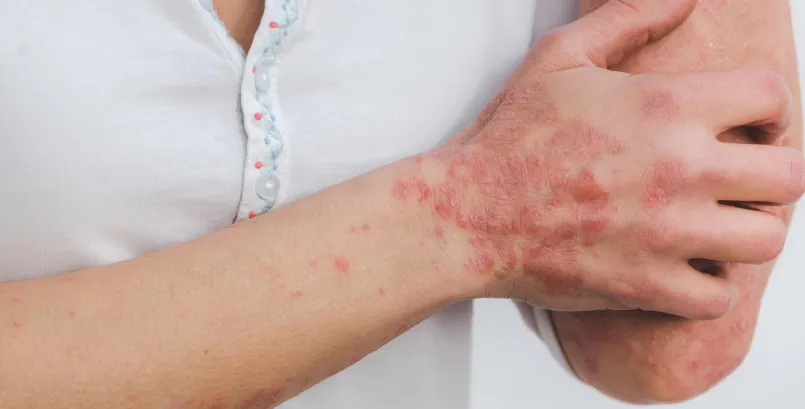
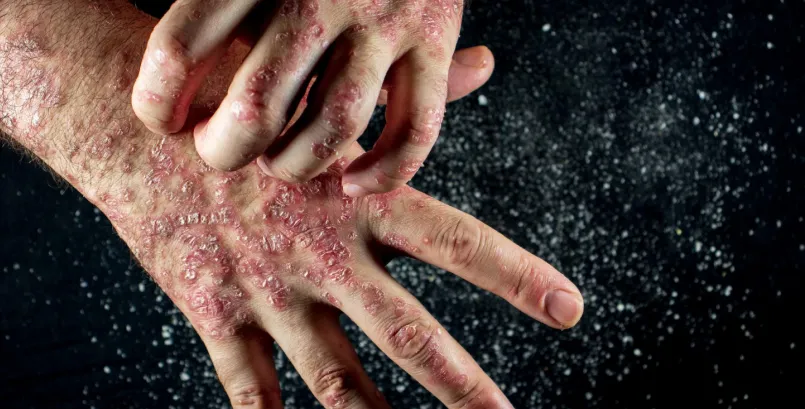
The most prevalent type of psoriasis is plaque psoriasis. Itching, red patches, white flakes and thick skin plaques are the primary signs of this illness. This is a chronic non-transmissible skin condition that develops when the body’s immune system creates new skin cells quickly. The knees, ankles, scalp and lower back are the areas most frequently affected by plaques.
What Causes Plaque Psoriasis?
The primary cause of plaque psoriasis is an aberrant immune system reaction. The skin becomes dry and scaly when the immune system instructs skin cells to proliferate too quickly.
Significant triggers that exacerbate symptoms are also believed to include genetics, stress infections, weather variations, some medications and skin injuries.
How does Plaque Psoriasis Start?
- ➤Immune system signaling issues are typically the cause of plaque psoriasis.
- ➤Over time, skin cells in an average person regenerate at a consistent rate.
- ➤However, when psoriasis starts, the immune system produces new skin cells quickly because it believes that the skin is an enemy that must be defended.
- ➤Plaques quickly accumulate on the skin’s surface as a result of the cells not having enough time to shed properly.
- ➤The disease may begin very subtly in the early stages with mild itching, a small flaky patch, dryness, and slight changes in skin color.
- ➤However, some triggers can overactivate the immune system resulting in symptoms that rapidly turn into clear plaques.
- ➤These triggers include severe stress, a throat infection, skin injuries, extreme weather, certain medications, and hormonal changes.
- ➤Small patches may eventually grow into large plaques that spread to the scalp, ankles, knees, and other areas of the body.
- ➤Health professionals note that plaque psoriasis is a chronic condition strongly linked to a person’s lifestyle, mental health issues, and genetic predispositions, even though it is not communicable.
Plaque Psoriasis: Treatments
| Treatment | Effectivity |
|---|---|
| Panchakarma |
|
| Vamana |
|
| Virechana |
|
| Basti |
|
| Raktamokshana |
|
| Abhyanga |
|
| Swedana |
|
| Herbal Oil Application |
|
| Medicated Packs / Lepanam |
|
| Shirodhara |
|
FAQ
What does plaque psoriasis mean?
The skin condition known as plaque psoriasis is non-communicable and chronic. Skin symptoms like dryness, redness, itching and scaly patches are signs of immune system dysfunction.
How can Panchakarma treat plaque psoriasis?
A holistic detox treatment is panchakarma. It aids in the body’s elimination of toxins dosha correction plaque recurrence prevention and inflammation management.
Why are Basti,Vamana and Virechana utilized?
Vamana: To eliminate extra Kapha and lower inflammation. Virechana: To counteract excess Pitta and lessen burning and redness. Basti: To lessen scaling and dryness and balance Vata.