

Why Kerala Leads in Ayurveda for Stomach Problems
By Ayur wakeup | July 20, 2026
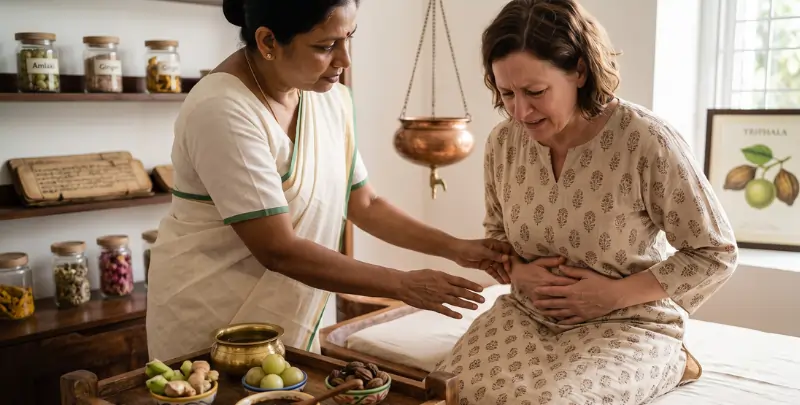
Ayurveda for stomach problems draws more visitors to Kerala each year than almost any other single health complaint, and the reason has less to do with marketing and more to do with geography. The state sits along a coastline thick with medicinal plants, and its clinics have spent decades refining treatment for exactly the kind of digestive trouble modern life produces: gas, bloating, acid reflux, sluggish appetite, and gut systems that never quite settle.
How Does Ayurveda Explain Digestive Fire and Stomach Trouble?
Classical Ayurveda treats digestion as a fire, called Agni, that has to stay lit and steady for the rest of the body to function. When Agni burns weak or erratic, food stops converting into usable nutrition and instead leaves behind a residue Ayurveda calls Ama. That buildup shows up as bloating, heaviness after meals, irregular bowel movements, and the kind of low energy people usually blame on stress alone.
This framework explains why so many stomach complaints resist quick fixes. A course of antacids might quiet acid for a week, but it does nothing to correct Agni. Kerala’s Ayurvedic doctors work from evaluation first, checking a patient’s dominant constitution, whether vata, pitta, or kapha dominates their system, before recommending herbs, oils, or dietary shifts. NCCIH, the US government’s research center for complementary medicine, notes that Ayurvedic treatment blends plant-based products with diet, exercise, and lifestyle changes rather than relying on one remedy, which lines up closely with how Kerala clinics actually operate.
Common Stomach Conditions Treated in Kerala
Kerala clinics built for digestive care generally treat five recurring conditions: chronic indigestion, hyperacidity and acid reflux, gastritis, irritable bowel syndrome, and constipation tied to irregular bowel habits. The approach to gas and acidity leans on gentle detox therapies alongside herbal formulations meant to rebuild digestive strength rather than mask symptoms for a few hours. Gastritis, in particular, gets treated as a Pitta-dominant imbalance, meaning the therapies lean cooling: soothing herbs, stress management, and Panchakarma procedures aimed at reducing excess Pitta rather than simply coating the stomach lining.
IBS follows a different logic. Since the disorder is linked to Vata imbalance, Kerala practitioners combine Vata-balancing Panchakarma with nervine herbal medicines and guided relaxation, treating the nervous system and the gut as one connected problem instead of two separate ones. Anyone who has dealt with stress-triggered flare-ups will recognize why that combination makes sense.
Why Kerala’s Climate and Herbal Tradition Matter for Ayurveda for Stomach Problems
Kerala’s advantage is not just clinical experience. The state’s tropical climate supports an unusually dense range of medicinal plants, and its Panchakarma tradition has been documented and refined by generations of practicing doctors rather than reconstructed from old texts. That digestive care around detoxification methods like Virechana for Pitta-related issues and Vasti for chronic Vata imbalance, pairing them with dietary retraining so results outlast the stay itself.
None of this replaces a doctor’s diagnosis. Anyone with persistent stomach pain, unexplained weight loss, or blood in stool needs conventional medical evaluation first. Ayurveda works best as a complement to that process, not a substitute for it, especially when symptoms could point to something more serious than a digestive imbalance.
What a Typical Program Involves?
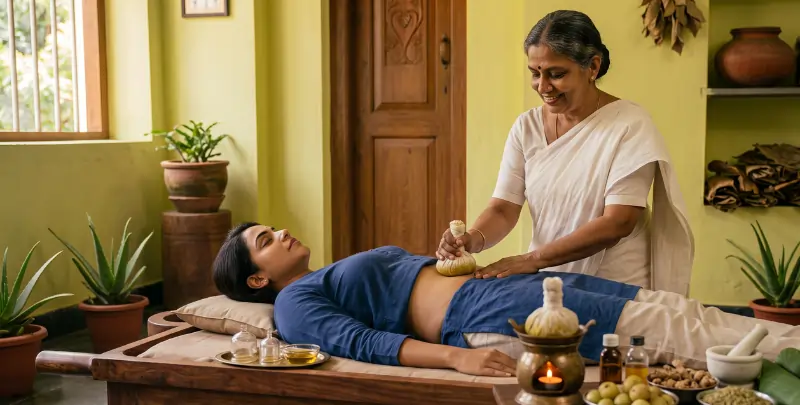
Ayurveda for stomach problems and complaints at Ayur Wakeup starts with a consultation and diagnosis, followed by therapies chosen for the individual rather than a fixed package. Sessions usually include herbal oil massage to support circulation, medicated treatments targeted at the specific imbalance, and a diet plan built around freshly cooked, easily digestible meals. Programs built for moderate digestive issues generally run around two weeks, long enough to address the root imbalance instead of just calming a flare-up.
Final Thoughts
Kerala did not become known for digestive Ayurveda by accident. It took decades of clinical practice, an unusually rich supply of medicinal plants, and doctors willing to treat gut health as connected to stress, diet, and lifestyle rather than an isolated symptom. If you have cycled through antacids, restrictive diets, or vague reassurance that it’s just stress without real relief, an evaluation from a qualified Ayurvedic physician might be worth exploring. What has your experience been with conventional stomach treatments, and did they ever address the root cause?
FAQ
Why do so many people go to Kerala for stomach-related Ayurveda treatment?
Kerala pairs decades of Panchakarma experience with a coastline dense in medicinal plants, so clinics there have had more chances to refine treatment for digestive issues than almost anywhere else. Add doctors trained specifically in Agni-based diagnosis, and you get a concentration of expertise that is hard to replicate elsewhere.
What is agni and why does it matter for digestion?
Think of Agni as the engine behind digestion, not just a metaphor Ayurveda tosses around loosely. It’s what actually converts food into usable energy. When that engine runs weak or misfires, undigested residue called Ama starts piling up instead of clearing out, and that shows up as bloating, low energy, or bowel habits that never quite settle into a rhythm. Fixing Agni, not just quieting the symptoms it causes, is the real target of treatment.
Can Ayurveda actually help with gastritis or IBS?
Yes, though results vary by person. Kerala clinics treat gastritis as a Pitta imbalance and IBS as a Vata imbalance, using cooling therapies for one and nervine herbs plus stress management for the other. A proper consultation always comes before any treatment plan.
How long does an Ayurvedic program for stomach issues usually take?
Programs built for chronic indigestion or moderate gastritis often run around fourteen days, long enough for detox therapies and dietary changes to take hold. Milder complaints may need less time, while longer-standing conditions sometimes require a follow-up course.
Is Ayurveda safe to use alongside regular medical treatment?
Usually, yes. The exception is anyone with severe or unexplained symptoms, who should see a conventional doctor before starting anything else, full stop. Reputable clinics in Kerala ask about current medications and existing diagnoses before building a plan. Ayurveda works better sitting next to proper medical oversight than trying to stand in for it.