
Karkidaka Ayurveda Treatment: Why It’s Called Queen
By admin@ayurveda | July 21, 2026
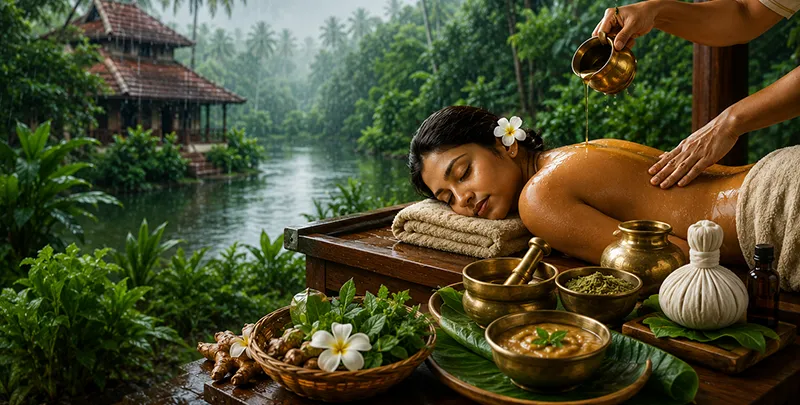
Karkidaka Ayurveda treatment gets called the queen of Ayurvedic seasons for a reason that has nothing to do with marketing language. The Malayalam month of Karkidakam falls during the peak of Kerala’s southwest monsoon, usually mid-July through mid-August, when the skin’s pores are naturally more open and the body’s channels become more receptive to medicated oils and herbal treatment. Ayurvedic doctors have used this window for centuries, not as a coincidence but as a deliberate response to how digestion and immunity behave during heavy rain.
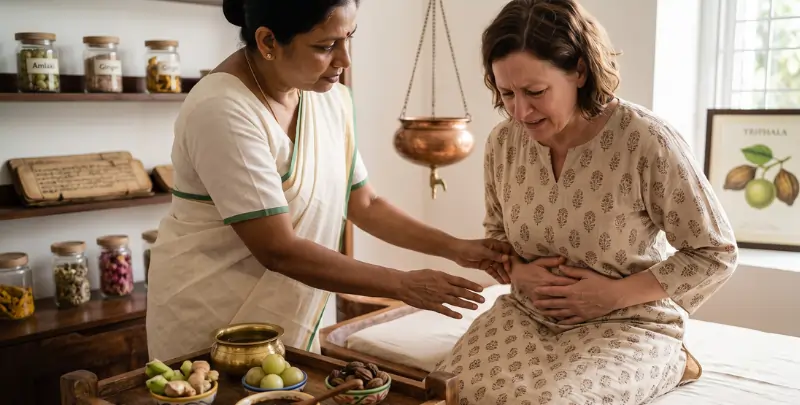
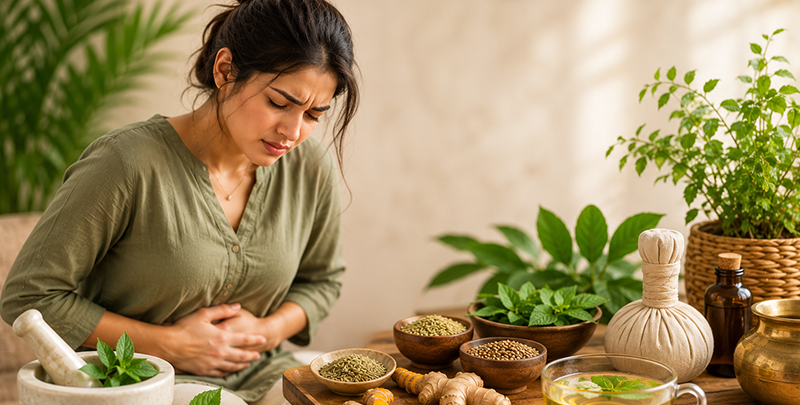
What Will Happen to the Body During Karkidakam?
Classical Ayurveda ties this period to Varsha Ritu, the monsoon season within its seasonal calendar known as Ritucharya. During Varsha Ritu, digestive fire naturally weakens, and the body accumulates more toxins, called Ama, than in drier months. Kerala Tourism’s official site describes the period following monsoon as long considered the best time for rejuvenation therapies within Ayurveda, and that timing lines up with how practitioners still schedule detox and Panchakarma work today.
The logic is seasonal, not arbitrary. Cooler, damper air slows metabolism and appetite for many people, while reduced sunlight can affect energy and mood. Ayurveda treats these as predictable, cyclical changes the body goes through every year, which is why treatment during Karkidakam focuses on rebuilding strength before the drier months arrive rather than only easing symptoms as they appear.
Traditional Karkidaka Ayurveda Treatment Practices
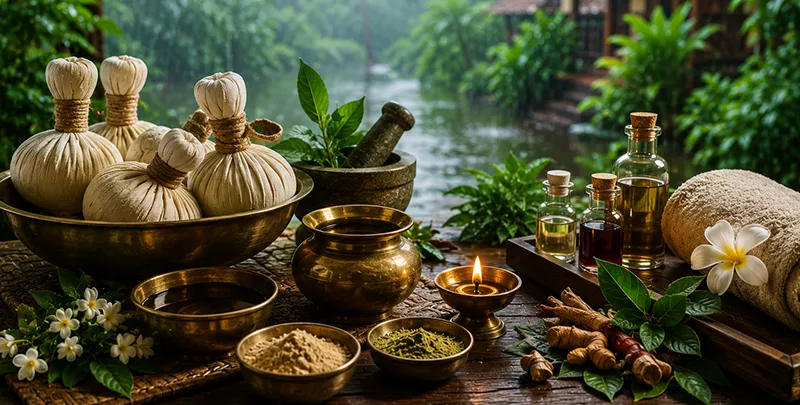
Karkidaka Chikitsa typically combines therapeutic oil treatments, a monsoon-specific diet, and daily routines meant to support the body through the transition. Medicated gruel made with rice and a blend of herbs is a common feature, prescribed over a set number of days to strengthen digestion gradually rather than force a quick reset. According to Ayurveda, the humid monsoon environment is considered more favourable for oil-based therapies.
At Ayur Wakeup, this seasonal principle shows up in how programs are built around individual constitution. Care follows Prakriti-based assessment, meaning treatment differs depending on whether a person runs more Vata, Pitta, or Kapha dominant, which fits the same logic classical Karkidaka Ayurveda treatment has always followed: match the therapy to the person, not just the calendar.
Who Tends to Benefit Most?
People managing joint stiffness, low immunity, chronic fatigue, or recurring digestive complaints often notice the most change, since these are exactly the conditions Ayurveda links to weakened Agni and Ama buildup during monsoon. Travelers who plan a Karkidakam visit specifically, rather than fitting Ayurveda into a general holiday, tend to get more out of the timing, since programs built around the season need enough days to work through detox, herbal treatment, and dietary adjustment properly.
Why Is Kerala Specifically Tied to This Tradition?
Kerala’s association with Karkidakam is not incidental. The state has practiced continuous, documented Ayurveda for generations, with doctors trained specifically in seasonal medicine rather than treating Ayurveda as a general wellness label. A program built around genuine seasonal timing needs practitioners who understand why the timing matters, not just a calendar reminder to book a spa visit.
Anyone considering treatment during this window should still confirm existing health conditions with a doctor beforehand, particularly for chronic illnesses or if pregnant, since not every therapy suits every person regardless of season.
Final Thoughts
Karkidakam earned its reputation the slow way, through generations of Ayurvedic doctors noticing the same seasonal pattern and refining treatment around it rather than inventing a trend. Whether that makes it the actual queen of Ayurveda’s calendar is partly a matter of tradition, but the reasoning behind the timing holds up. If you have been curious about seasonal Ayurveda, would Karkidakam’s monsoon timing fit into your travel plans this year?
FAQ
Why is Karkidakam called the queen of Ayurveda treatment?
Peak monsoon does something specific to the body that Ayurvedic doctors have tracked for generations: skin pores open wider, and medicated oils absorb more effectively than in drier months. Layer that on top of naturally weaker digestive fire during this stretch, and you get a window built almost perfectly for deep treatment. A few other months line up precisely.
When does Karkidakam actually fall each year?
Mid-July through mid-August, roughly, though it moves slightly since it follows the Malayalam calendar rather than the Gregorian one. That shift catches people off guard more often than you’d expect. Anyone planning a trip around this window should double-check the current year’s dates before locking in travel.
What does Karkidaka Chikitsa actually involve?
Oil massage, a monsoon-adjusted diet, and medicated gruel taken over a set stretch of days form the core of it, though the exact mix depends on who’s receiving treatment. No two protocols look identical. Constitution drives the specifics, not a single fixed template applied to everyone who walks in.
Is Karkidakam treatment only for detox?
People assume that, but no. Detox gets most of the attention, sure, though the season also gets used for joint support, immune strengthening, and general rejuvenation ahead of drier months. Calling it just a cleanse undersells what the tradition is actually built to do.
Do I need a specific health condition to benefit from Karkidaka treatment?
Not really; no single condition is required to get something out of it. That said, people dealing with chronic fatigue, stiff joints, or digestive issues that keep circling back tend to notice the sharpest results. Anyone with an existing medical condition should still loop in a doctor before booking. Not every therapy fits every body, season or no season.