
By Ayur wakeup | February 28, 2026
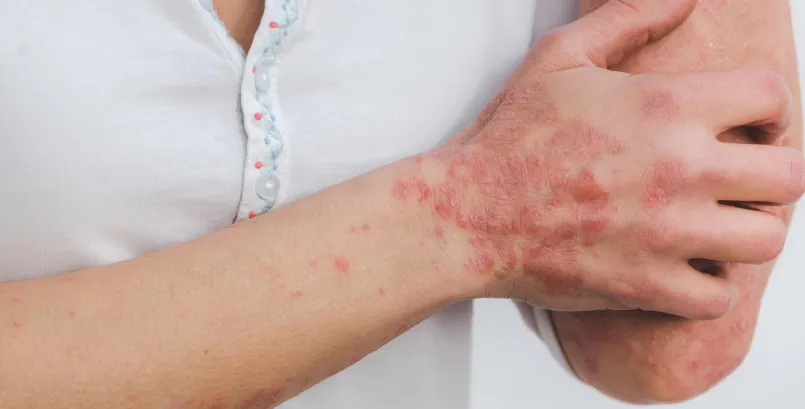
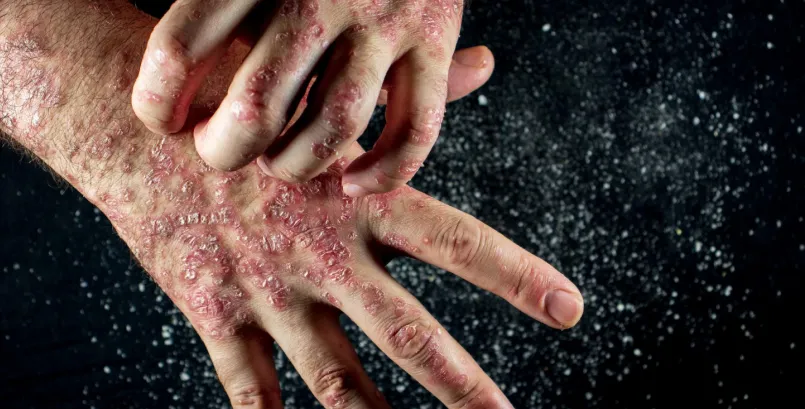
Is it in your genes? If you’re dealing with red, itchy patches, you’ve likely wondered if you inherited this from your parents. The link between genetics and skin health is real, but it isn’t a guaranteed sentence. Is psoriasis hereditary? While genetics play a role, Ayurveda suggests that your DNA isn’t the only thing at play; your internal balance matters just as much.
At Ayur Wakeup, we look beyond the surface. We see a condition influenced by your family tree but triggered by a build-up of toxins and an imbalance in your doshas. Understanding these links is the first step toward reclaiming your skin.
Is Psoriasis Hereditary? Breaking Down the DNA
Is psoriasis hereditary? Yes, it can be. Research shows that if one parent has it, there is about a 10% to 15% chance the child will too. If both parents have it? That jump goes up to roughly 50%. This happens because certain genes affect how your immune system communicates with your skin cells.
Essentially, your body starts a “fire” on the skin surface because it thinks it’s under attack. But having the gene doesn’t mean you’ll definitely get the spots. You often need a “trigger” like stress, weather, or diet to flip the switch. This is where hereditary psoriasis markers meet lifestyle.
The Ayurvedic Perspective on Genetic Predispositions
In Ayurveda, we don’t just see a “skin problem.” We see an imbalance in Vata and Kapha. Even if you have a genetic tendency toward skin issues, the severity of the flare-up often depends on your Agni (digestive fire) and the presence of Ama (toxins).
When these toxins accumulate in the blood and soft tissues, they irritate the skin. If your family history makes your skin your “weak spot,” those toxins will head there first. That’s why our approach focuses on cleaning the system from the inside out, rather than just rubbing creams on the outside.
Why Kerala Is the Hub for Managing These Links
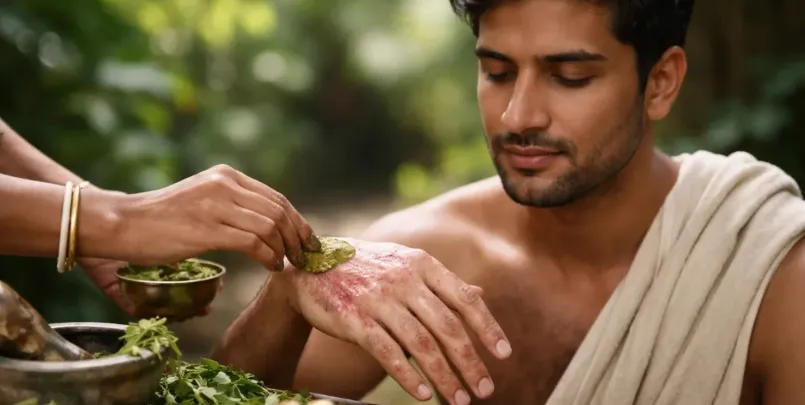
There is a reason people travel globally for Ayurvedic treatment for psoriasis in Kerala. The climate and the traditional expertise here allow for deep detoxification. We use specific therapies like Takradhara and Abhyangam to soothe the nervous system because stress is a major trigger for those with a genetic link.
By calming the mind and detoxing the body, we help “quiet” the genetic signals that cause rapid skin cell turnover. It’s about creating an environment in your body where those hereditary genes don’t want to act up.
Can Lifestyle Buffer Your Genetic Risk?
Absolutely. You can’t change your DNA, but you can change your habits. A diet that avoids “incompatible foods” (like mixing milk and fish) helps keep your blood clean. Managing stress through yoga or meditation prevents the immune system from overreacting.
Think of your genes as the blueprint and your lifestyle as the builder. Even with a tricky blueprint, you can still build a healthy, vibrant house.
Final Thoughts
So, is it all in the family? Partly. But your story doesn’t have to be the same as your parents’. By focusing on internal cleansing and Dosha balance, you can manage the hereditary links and live comfortably.
FAQ
If my dad has it, will I definitely get it?
Not necessarily. You might inherit the “possibility” of it, but many people carry the genes without ever showing a single scale. It usually takes a trigger to start the first flare-up.
Can Ayurveda “cure” a genetic condition?
Ayurveda focuses on management and long-term remission. We don’t claim to rewrite your DNA, but we can help balance your body so the symptoms stay away for long periods.
What is the best food to avoid if it runs in my family?
Stay away from highly processed junk, excessive salt, and “sour” foods like fermented curds. These tend to heat up the blood and aggravate the skin.
Does stress make the genetic link worse?
Big time. Stress is like pouring gasoline on a fire. If you have the genetic predisposition, high stress is often the fastest way to trigger a massive flare-up.